
CRISPR: how we learned to edit the genome
A bacterial defence against viruses became a universal tool.
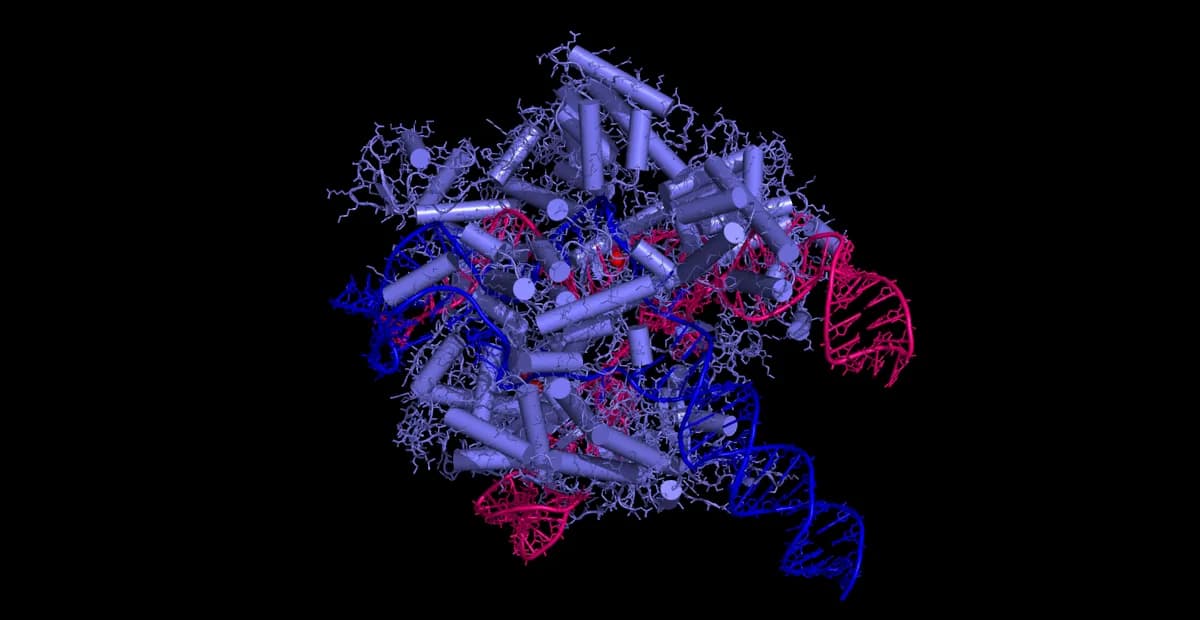
CRISPR are stretches of bacterial DNA storing fragments of the genomes of viruses that attacked before. It is immune memory: by it a bacterium recognises an enemy and cuts its DNA with the Cas9 protein.
In 2012 it was shown that the system can be reprogrammed. Synthesise a guide RNA with the sequence you want and Cas9 will cut DNA at exactly that place in any organism.
After that the cell's own repair machinery takes over. When the break is healed you can either disable the gene or supply a template and write in a new sequence.
The first approved therapies are already in use — for sickle cell anaemia, for instance. The main questions now are not technical but ethical: edits to embryos are passed to descendants, and most countries prohibit them.