
Why music gives you chills: the dopamine system at work
The brain reacts more strongly to predicting the climax than to the climax itself.
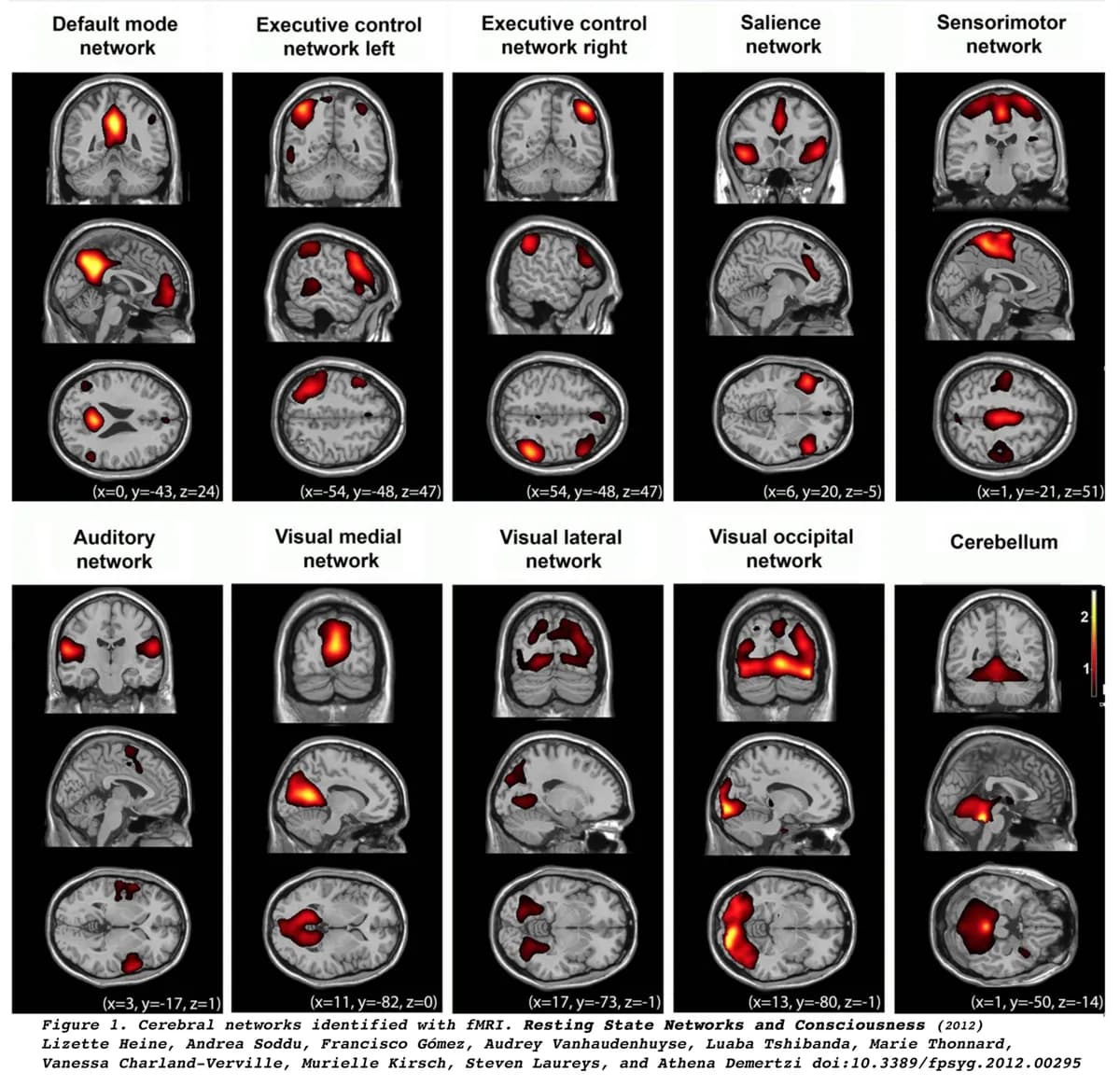
Roughly two thirds of people get chills from music. Imaging shows that at that moment the striatum lights up — the same region that responds to food and reward.
Dopamine is released twice: the first peak comes a few seconds before the climax, the second at the moment it arrives. Anticipation turns out to matter no less than the passage itself.
Hence the role of expectation. The brain continuously predicts what the next note will be. The music that works hardest is music that breaks the prediction and then resolves the tension — too predictable is dull, too chaotic never forms a structure.
People with musical anhedonia get no pleasure from music despite entirely normal hearing and normal responses to other rewards: the connection between the auditory cortex and the reward system is weaker in them.