
Why the octave sounds the same in every culture
It comes down to whole-number frequency ratios and overtones.
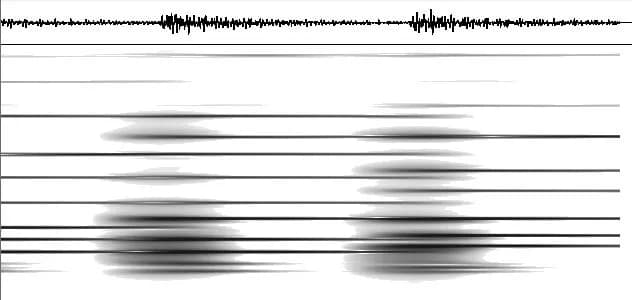
Double the frequency of a sound and a listener hears the same note, only higher. That is the octave, and it appears in the musical systems of practically every known culture.
The reason lies in how sound is built. A string or a vocal fold vibrates not only as a whole but in halves, thirds and quarters, producing a set of overtones at frequencies that are multiples of the fundamental. For two notes an octave apart the overtones almost entirely coincide.
The simpler the frequency ratio, the more overtones coincide and the 'cleaner' the interval sounds: 2:1 is the octave, 3:2 the fifth, 4:3 the fourth. These intervals arose independently in different traditions.
How the octave is divided further, though, is culturally determined: the twelve equal semitones of Europe, the Indian shrutis and the Indonesian slendro and pelog all divide it differently.